Ways AI Can Improve Site Personalization for Rochester Websites
Understanding AI Website Personalization?
AI website personalization is the practice of using artificial intelligence to adjust a site’s experience based on what a visitor is likely looking for. Instead of showing every user the same homepage, same offers, and same navigation path, website personalization uses signals like user behavior, location, device, referral source, and past interactions to present more relevant dynamic content.
For Rochester businesses, this can mean a more practical experience for a healthcare patient searching for appointment information, a manufacturing buyer comparing capabilities, or a local homeowner looking for a nearby service company. AI helps websites shift from static pages to a personalized user experience that feels more responsive and more helpful.
At a practical level, AI personalization often works by combining behavior tracking with predictive modeling. It looks at clicks, scroll depth, page views, form interactions, and search behavior to infer visitor intent. That lets a site adjust content relevance in real time instead of waiting for a human marketer to manually segment every scenario.
How Personalization Matters for Web Design and SEO
Personalization is no longer just a marketing luxury. It influences web design decisions, seo services planning, and the overall ability of a site to convert visitors. A structure that overlooks user intent can flood people with irrelevant information, while a personalized layout can lead them to the next best step faster.
From an SEO viewpoint, customization drives stronger engagement because users are more likely to stay, explore, and interact with content that matches their needs. That can improve engagement rate, conversion rate, and the quality of signals search engines may link with content satisfaction. While personalization itself is not a direct ranking shortcut, it can improve the experience that makes SEO efforts more effective.
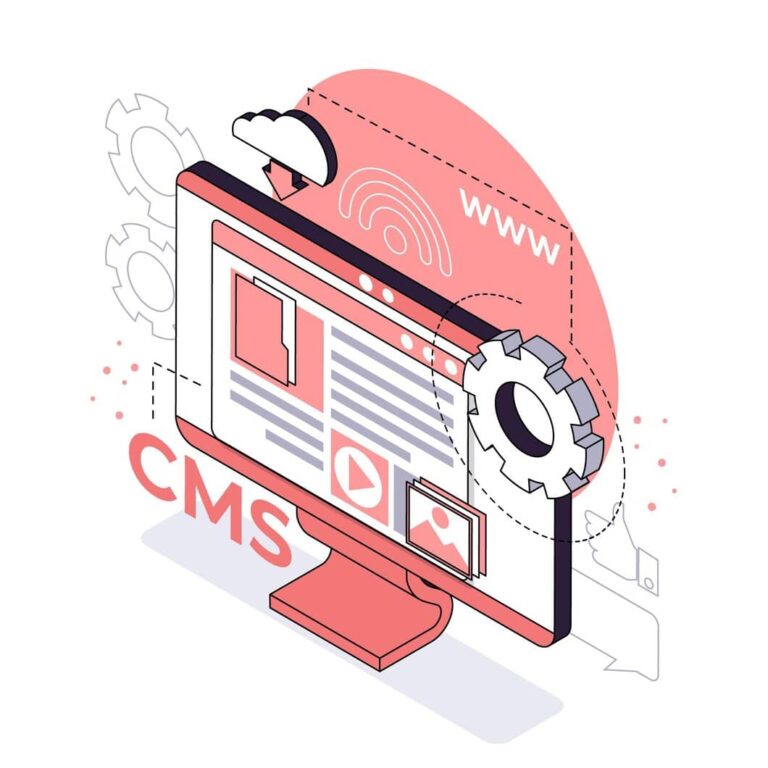
For Rochester businesses, this matters in competitive industries like B2B, healthcare, education, manufacturing, and local service companies. A site built with smart web design and supported by seo services can use tailored messaging, better calls to action, and clearer pathways to help visitors find what they need with less friction. That is the heart of conversion optimization.
In many cases, better personalization also improves the customer journey. A visitor may arrive from a Google query, read a service page, see relevant proof points, and then click a contact button that matches their stage in the decision process. That journey feels more natural because the website is responding to the user instead of forcing every visitor through the same path.
In what way AI Learns Visitor Intent
AI learns search intent and on-site intent by studying patterns in behavioral data. This includes pages viewed, time spent, prior visits, location, device type, and actions such as downloads or form submissions. The more data the system collects, the more accurate its predictive analytics get.
With machine learning, the system identifies recurring patterns in how different audiences interact with the site. For example, someone arriving from a query about emergency repair services may need a fast contact option, while someone comparing long-term solutions may need a deeper educational path. The AI can infer these differences from search behavior and engagement patterns, then adjust the experience accordingly.
Here is where predictive modeling becomes useful. Instead of reacting only after a visitor leaves, AI can anticipate likely next steps and present helpful content in the moment. That is especially valuable for improving marketing performance because it reduces guesswork and supports more data-driven decisions.
For businesses in https://fulton-ny-va571.theburnward.com/web-design-seo-services-digital-marketing-and-ai-experts-in-rochester-ny Rochester, NY, visitor intent may also vary by geography and season. A user searching from Monroe County may expect different service availability than someone browsing from nearby suburbs. AI can use those signals to guide the experience while keeping the site aligned with local expectations.
Methods AI Can Tailor Content on Your Own Website
AI can customize a website in several practical ways, starting with content recommendations. If a visitor opens one article or service page, the site can present related pages that fit the same interest, helping move them deeper into the funnel. This helps keep content relevant and supports deeper engagement.

Another effective tactic is personalized landing pages. These pages can be adjusted by audience type, referral source, industry, or region. A Rochester business might show one version of a landing page to a new visitor from a local search and another to someone returning after checking pricing or service details. The result is a more focused message and a higher chance of response.
Segmentation is a key part of this process. AI can organize users based on shared traits and behaviors, then serve dynamic messaging that fits those segments. For example, a service company could show different headlines to homeowners, commercial clients, and emergency callers. A healthcare provider could present appointment reminders or educational content based on the visitor’s likely needs.
Sunstone Digital Tech50 Fountain Plz #1400, Buffalo, NY 14202
(315) 758-3349
https://maps.app.goo.gl/y9HMhvcoPCh9V3eKA
https://sunstonedigitaltech.com/buffalo-marketing-agency/web-design
42.8898193, -78.8738661
Personalization can also transform the homepage into a dynamic homepage experience. Rather than a generic welcome message, the site can surface the most relevant services, offers, or next steps. That gives visitors a better sense that the business understands their situation and can help them quickly.
These tactics are important for improving content relevance across the site. The more relevant the page, the more likely the visitor is to stay, explore, and convert.
AI-Powered Item, Service, and CTA Recommendations
A suggestion system is one of the clearest ways AI can boost website personalization. It uses behavioral patterns to suggest the next best offer, support, article, or form of action. For an e-commerce business, that may mean suggested items. For a service provider, it may mean the right option, consultation, or resource.
AI can also refine the call to action experience. Not every visitor is ready for the same CTA. Someone initially in the user journey may respond better to a guide or consultation request, while someone later may want a quote, demo, or appointment. AI can adjust the CTA based on where the visitor appears to be in the customer journey.
That matters for lead generation. When the CTA matches the user’s needs, more visitors take the next step. Better alignment often improves lead qualification too, because the site is attracting people who are closer to the right offer rather than just increasing raw form fills.
For Rochester-area businesses, this can support service and sales goals in important ways. A manufacturing firm can route visitors to equipment specs or consultation forms. A law office can recommend the right practice area page. A local home services brand can surface emergency contact options during peak demand periods. In each case, AI makes the website feel more attentive and more helpful.
In what way does AI Improves Digital Marketing Performance
Personalized AI drives better digital marketing as it allows marketers send the most relevant message to the proper audience member at the ideal moment. Instead of relying only on broad campaigns, teams can use visitor signals to increase relevance and response rates on multiple channels.
A/B testing is made more powerful when AI helps identify which headlines, page layouts, deals, or content blocks deliver the best results for each audience segment. Instead of testing one version against another in isolation, businesses can use AI insights to improve test design and analyze outcomes more quickly. This leads to better analytics and more informed optimization decisions.
Marketing automation also gains from personalization. A visitor who downloads a white paper, views a services page, and revisits pricing content may receive different subsequent messaging than someone who only skimmed the homepage. That creates a smoother shift between the website and email or retargeting campaigns.
For teams managing seo services and digital campaigns together, AI can connect on-site behavior with campaign performance. If a specific audience responds well to one offer or content path, that insight can be applied to ads, landing pages, and nurturing workflows. The result is smarter optimization based on actual interaction data instead of guesswork.
Applying AI Personalization for Local Rochester Audiences
Geographic personalization is especially valuable for businesses in Rochester NY, where customer needs can vary throughout industries and neighborhoods. Rochester includes a mix of B2B, healthcare, education, manufacturing, and local service companies, so a one-size-fits-all website rarely performs well for every audience.
AI can strengthen local SEO by customizing on-site content to geography, search behavior, and regional intent. A visitor from Monroe County may need service areas, directions, or local proof points. Someone from nearby Greece, Irondequoit, Brighton, or Henrietta may be looking for convenience, response time, or neighborhood-specific availability. Personalized messaging helps the site match those expectations without cluttering the page.
There is also value in adapting to seasonal and regional buying patterns in upstate New York. Winter weather can raise urgency for certain services, while spring and summer can move demand for home improvement, outdoor-related products, or scheduling availability. AI can update offers, headlines, and CTAs so the site shows what local visitors are likely to need at that time of year.
For example, a Rochester service business might promote faster response times during a snow event, while a healthcare clinic might emphasize open appointment slots during busy seasons. A local B2B company may want to highlight regional case studies or industry-specific expertise that resonates with nearby decision-makers. This kind of geo-targeting improves relevance without sacrificing clarity.
How AI Experts Deploy Personalization Carefully and Effectively
Strong customization requires more than software. It takes experienced ai experts who understand both strategy and execution. They need to align the personalization plan with site structure, content goals, and the technical realities of measurement.
One of the most important priorities is privacy compliance. Businesses must be thoughtful about what they track, how they store it, and how they disclose it to users. Personalization should rely on responsible data use and clear consent practices, especially when handling sensitive or regulated information.
First-party data is the most secure and most important foundation for most personalization efforts. This includes data collected directly from site interactions, form submissions, and account activity. Because it comes from your own website, it usually provides improved quality and better control than third-party sources. It also supports more reliable behavior tracking and audience modeling.
Website tracking should be configured carefully so AI tools can interpret meaningful actions without creating unnecessary risk. The goal is to understand behavior patterns in a way that improves the site experience and respects the user. Good implementation balances personalization with trust.
In practice, ai experts often start small: one personalized homepage banner, one segmented landing page, or one recommendation block. That makes it easier to validate performance, refine rules, and scale safely. It also ensures that personalization supports real business goals instead of becoming a complicated layer with no clear return.
What Can Businesses Expect?
When AI personalization is done well, businesses usually see improvements in bounce rate, time on site, qualified leads, and overall ROI. The reason is simple: visitors encounter more relevant content, clearer paths, and better-timed calls to action.
A reduced bounce rate often indicates that the website is aligning with visitor intent more effectively. If people land on a page and immediately see content that addresses their needs, they are less likely to exit without taking action. Over time, that can also improve engagement metrics and support stronger conversion optimization.
Additional time spent on site is another positive sign, but it matters most when it reflects meaningful interaction. AI personalization can encourage visitors to explore related pages, select tailored offers, and move through a more natural user journey. That often leads to better lead generation because the traffic is more engaged.
For Rochester businesses, the biggest payoff may be the quality of the leads rather than just the quantity. A site that serves more relevant information to nearby visitors, local decision-makers, and industry-specific audiences can produce higher-intent inquiries. That creates a better return on web design, seo services, and digital marketing investments.
The best AI personalization when it turns website data into better decisions, better experiences, and better conversions.
Frequently Asked Questions: AI Website Personalization Questions
How would you define AI website personalization?
AI website personalization is the use of artificial intelligence to adapt a site’s content, layout, offers, or messaging based on visitor behavior, location, and intent. It helps create a more relevant and responsive experience for each user.
In what way does AI personalize content for different visitors?
AI examines behavioral data, search behavior, and engagement patterns to estimate visitor intent. It then uses segmentation, dynamic content, and recommendation logic to show content that is more likely to align with what the visitor wants next.
Does improve SEO services and rankings?
AI can support seo services by improving content relevance, engagement rate, and user satisfaction. While personalization is not a direct ranking trick, it can strengthen the experience around SEO content and help pages perform better with real users.
Is personalized AI valuable for local businesses in Rochester, NY?
Certainly. Rochester NY businesses can use personalized AI to support local SEO, reflect regional intent, and drive more conversions from nearby visitors in Monroe County and surrounding areas like Greece, Irondequoit, Brighton, and Henrietta.
What data do ai experts need to implement personalization?
ai experts typically rely on first-party data, website tracking, page interaction data, form activity, and other behavioral signals. The aim is to handle data responsibly, follow privacy compliance requirements, and build a personalized experience that improves marketing performance.